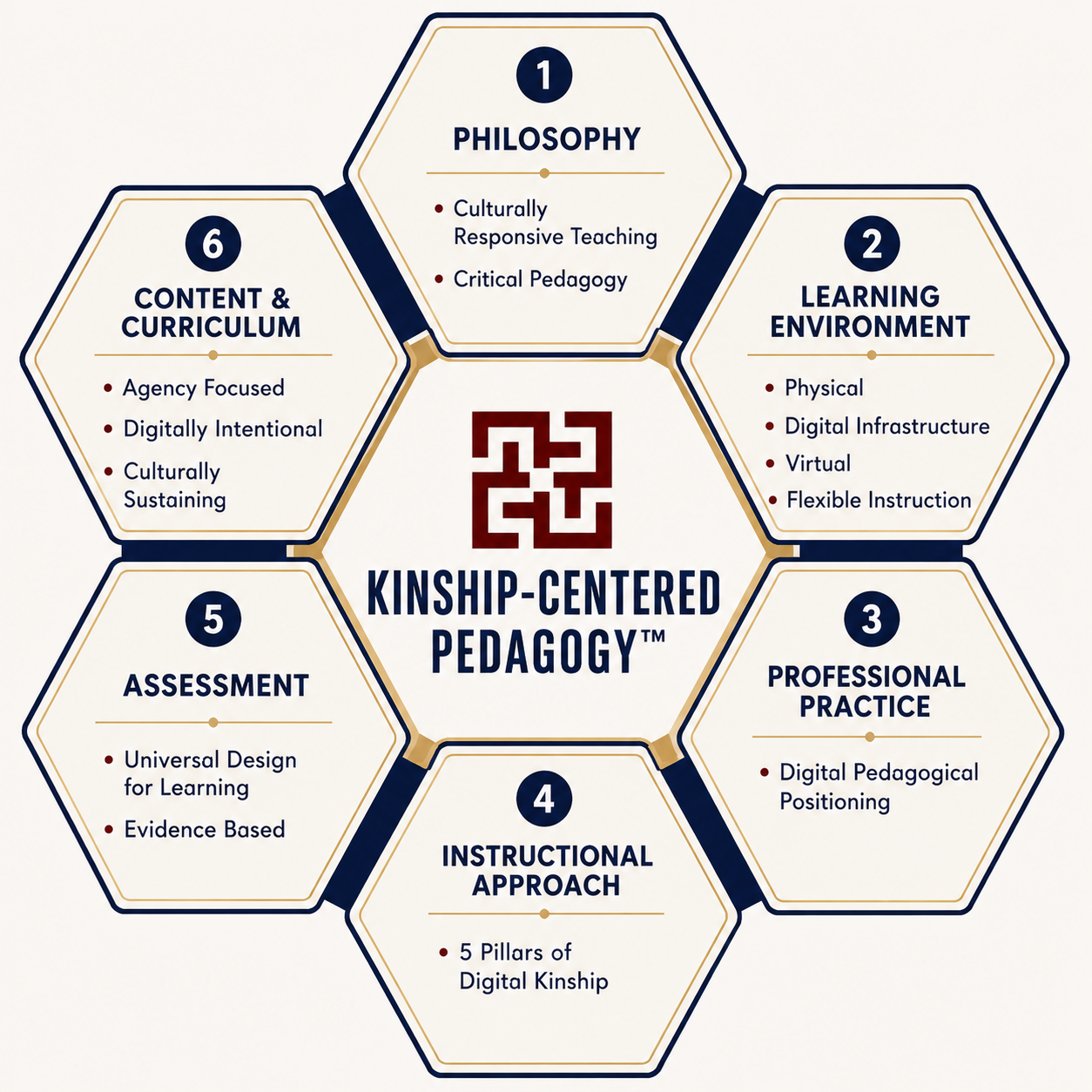
Kinship-Centered Pedagogy™ is the instructional foundation of Digital Kinship™. While Digital Kinship provides the overall framework, Kinship-Centered Pedagogy translates its principles into everyday teaching practice. Rather than beginning with digital tools or instructional strategies, this pedagogy begins with intentional educator decision-making. It challenges educators to design learning experiences that center culture, cultivate agency, strengthen community, and use digital technologies in service of meaningful learning.
Throughout this section, you will explore the core elements that distinguish Kinship-Centered Pedagogy from traditional technology integration models. You'll examine how educators intentionally position culture and technology within their instructional practice, create learning environments that support participation and belonging, and understand the six elements that guide instructional design. Together, these resources establish the pedagogical foundation that supports every tool and framework throughout the Digital Kinship collection.
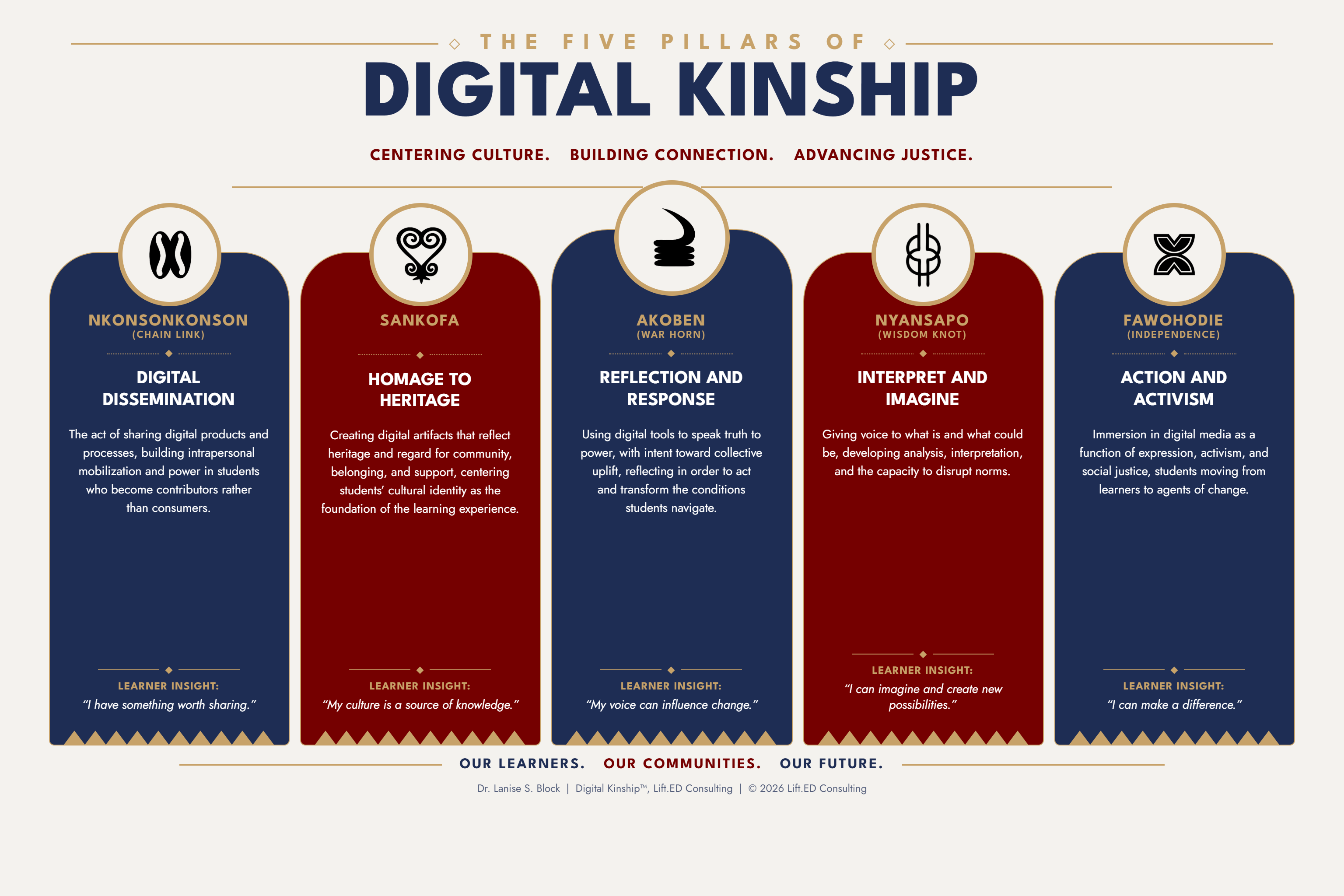
Each Digital Kinship Pillar includes a Pillar Integration Lab (PIL)a curated set of resources designed to help you understand, apply, and integrate the pillar into your instructional practice.
In Digital Kinship, integration refers to intentionally integrating culture, pedagogy, curriculum, and digital technologies to create meaningful learning experiences. It is not simply about integrating technology or promoting social integration. Each PIL provides the research, reflection, planning, and visual supports needed to move from understanding the pillar to implementing it with confidence.
🎙 Podcast Listen to a brief introduction to the pillar and its role within the Digital Kinship framework.
📄 Research Brief Explore research and evidence that support the principles and practices represented by this pillar.
5C Planning Tool Use the planning guide to intentionally apply this pillar while designing lessons and learning experiences.
Pillar Snapshot A visual summary highlighting the pillar's essential concepts for quick reference during planning or professional learning.
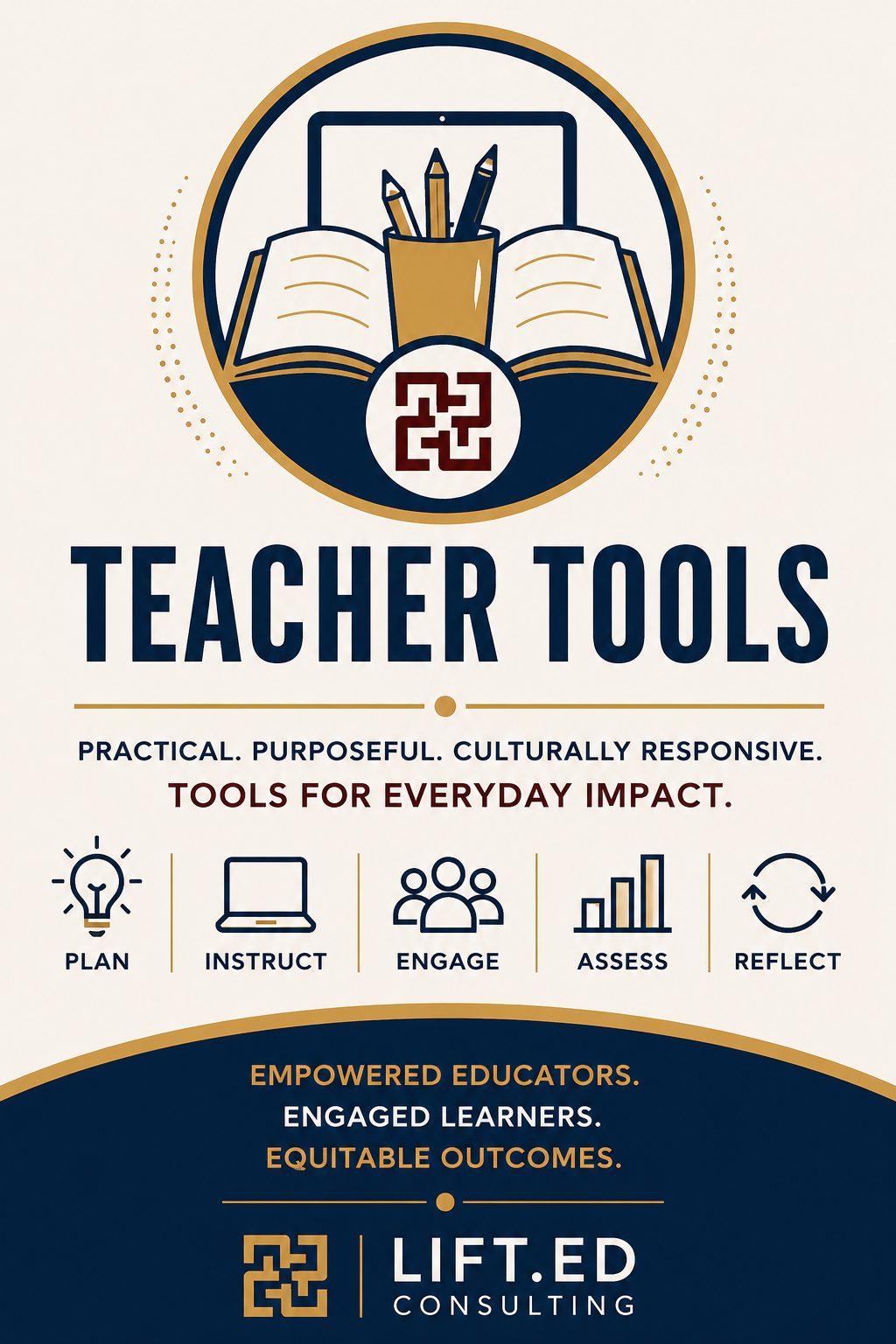
Digital Kinship is most powerful when it becomes part of everyday instructional practice. The Teacher Practice Tools are designed to help educators move from understanding the framework to intentionally applying it during lesson planning, instructional decision-making, and classroom reflection.
Rather than prescribing one way to teach, these resources support thoughtful decision-making at different stages of the instructional process. Whether you are designing a new lesson, evaluating an existing one, or reflecting on student learning, these tools provide practical guidance for making culturally centered, digitally intentional instructional decisions.
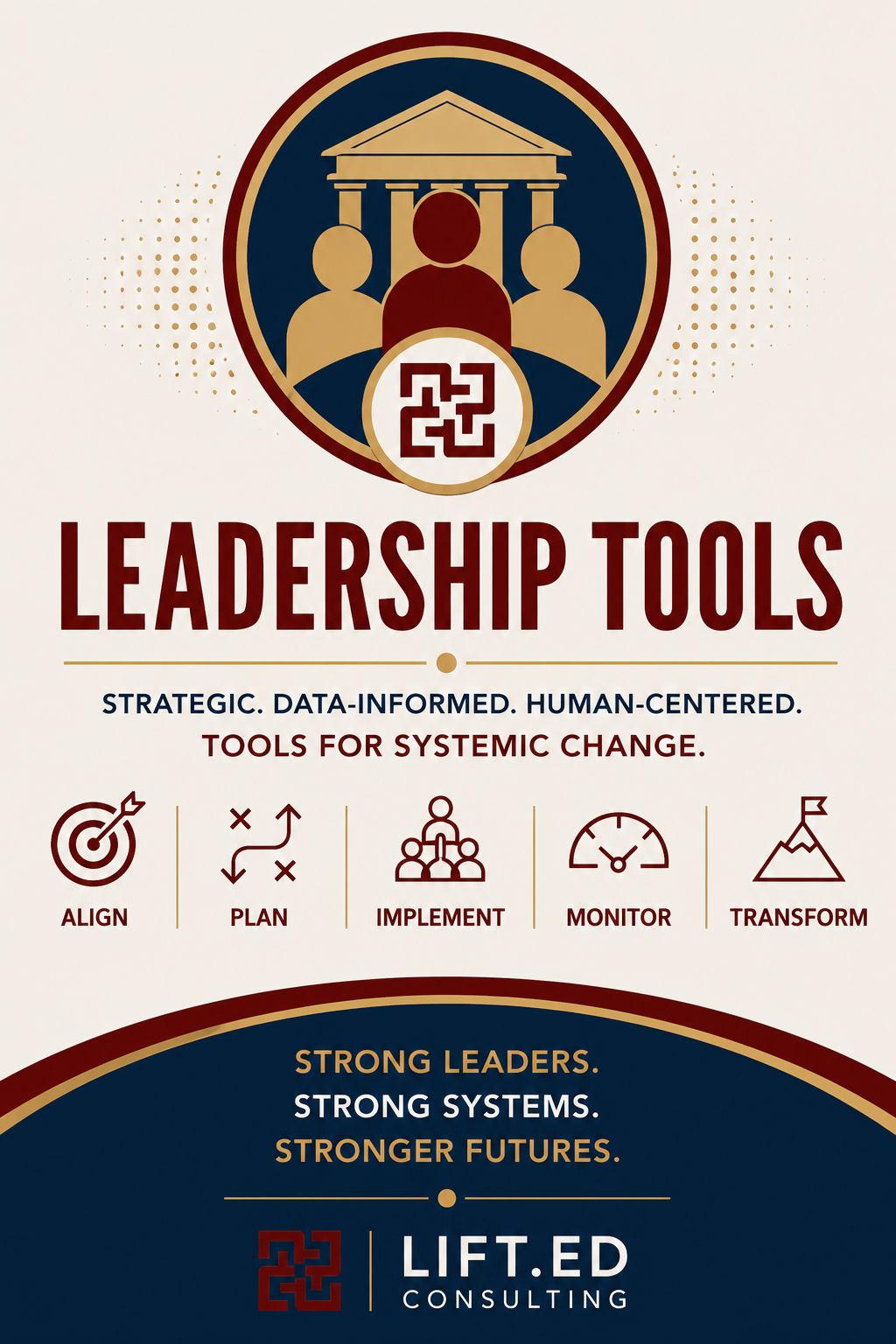
Effective digital leadership extends beyond selecting technology or managing implementation. It requires thoughtful reflection, ethical decision-making, and a commitment to creating the conditions that support culturally centered, digitally intentional teaching and learning.
The Leadership Practice Tools are designed to help school and district leaders observe practice, interpret evidence, make informed decisions, and prepare their organizations for emerging technologies. Together, these resources support leadership that is strategic, human-centered, and grounded in the principles of Digital Kinship.